
How Much Protein to Build Muscle? The Complete Guide
Protein is king. Find out exactly how much protein to build muscle you need, the best protein food sources, and the truth about whey protein benefits.
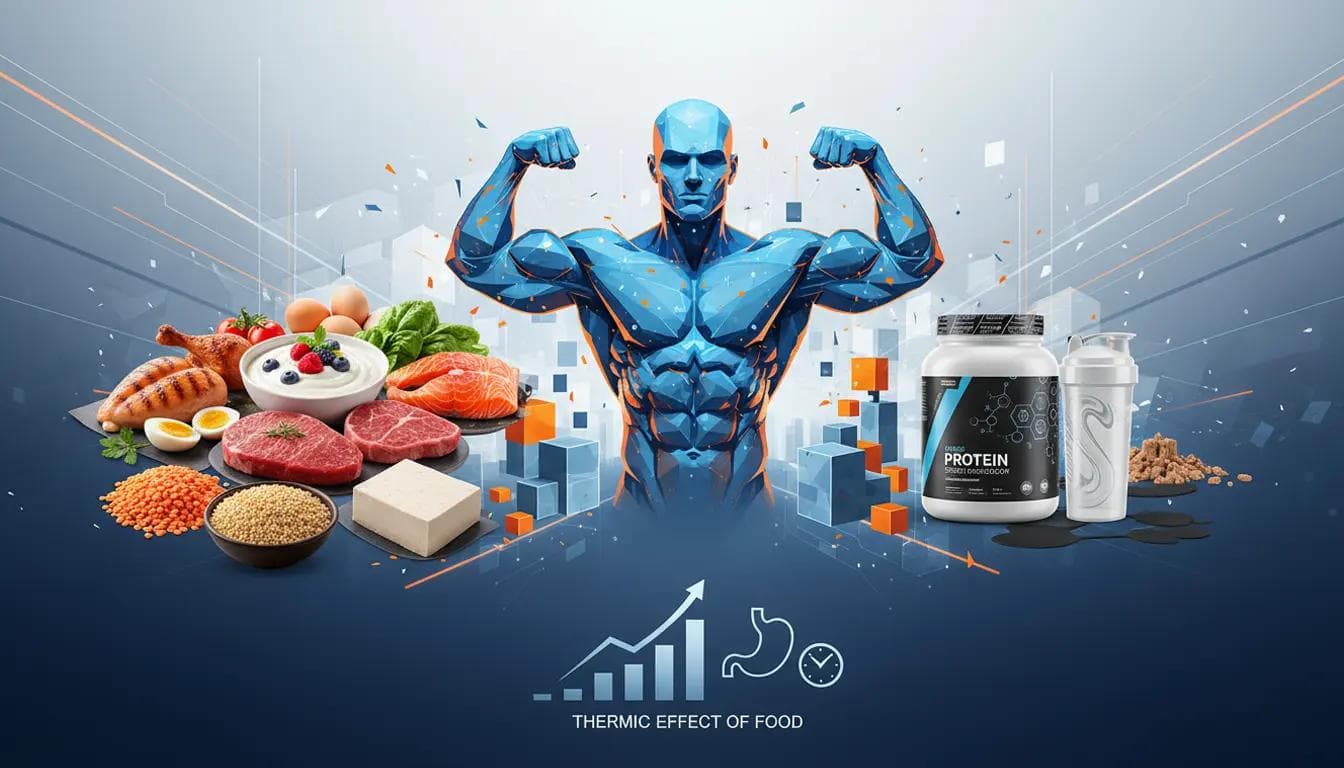
Introduction: In the world of nutrition, one macronutrient stands above the rest as the undisputed "king" of fitness: Protein. Our "Beginner's Guide" established it as the #1 building block. Why? Because protein is the only macro that does all three of these things:
- Repairs & Builds: It provides the amino acids that are the literal "bricks" for building muscle, repairing tissue, and maintaining hair, skin, and nails.
- Keeps You Full: Protein is the most satiating macronutrient. A 200-calorie chicken breast will keep you much fuller than 200-calorie bag of pretzels.
- Boosts Metabolism: Protein has a high "Thermic Effect of Food" (TEF). Your body burns 20-30% of protein's calories just digesting it.
But knowing protein is "good" isn't enough. How much do you need? Are all sources equal? And do you really need to buy that giant, expensive tub of protein powder? This is your ultimate guide.
Part 1: How Much Protein Do You Actually Need?
This is the most-debated question in fitness. The answer depends on your goals.
- The "RDA" (for sedentary people): The "Recommended Dietary Allowance" is 0.8g of protein per kilogram of bodyweight (about 0.36g per pound). This is the bare minimum to prevent a deficiency—the amount you need to not get sick. It is not the optimal amount to thrive, build muscle, or lose fat.
- The "Fitness" Goal (The Sweet Spot): For active individuals looking to build muscle or lose fat, the science is clear. The optimal range is 0.8g to 1.2g of protein per *pound* of bodyweight (or 1.6g to 2.2g per kilogram).
- A Simple, Powerful Target: Aim for 1 gram of protein per pound of your *goal* body weight.
- Example: You weigh 200 pounds, but your goal is to be a lean 170 pounds.
- Your Target: Aim for 170 grams of protein per day.
This simple rule works for almost everyone.
Part 2: 'High-Quality' vs. 'Low-Quality' Protein
Not all protein is created equal. The "quality" of a protein is based on its amino acid profile.
- Complete Proteins: These contain all 9 "Essential Amino Acids" (EAAs) that your body cannot produce on its own. These are the "master builders."
- Sources: Meat, poultry, fish, eggs, dairy (whey, casein, Greek yogurt), and soy.
- Incomplete Proteins: These are missing one or more of the 9 EAAs.
- Sources: Most plant-based proteins (beans, lentils, rice, nuts, seeds).
For Plant-Based/Vegan Eaters: This is an easy fix! You just need to combine sources throughout the day. Your body is smart—it will "pool" the amino acids.
- Example: Rice is low in the EAA 'lysine,' but beans are high in it. Eaten together (or just on the same day), rice and beans form a "complete" protein.
Part 3: The Best 'Food First' Protein Sources
Supplements are "supplements." You should always try to get the majority of your protein from whole foods.
Here is a "tier list" of the best protein sources:
- S-Tier (Lean & Efficient):
- Chicken Breast / Turkey Breast
- Fish (Cod, Tilapia, Tuna)
- Egg Whites
- Greek Yogurt (0% Fat)
- Whey or Soy Protein Isolate
- A-Tier (Excellent, but with more fat):
- Whole Eggs
- Lean Beef (90/10 ground, flank steak)
- Salmon (The "healthy fat" is a bonus!)
- Tofu & Tempeh
- Lentils & Chickpeas
- B-Tier (Good, but calorie-dense):
- Nuts & Nut Butters (these are mostly fats with some protein)
- Cheese (e.g., Cottage Cheese)
- Beans & Quinoa
Part 4: The Supplement Deep Dive (Are They a Scam?)
You do not need protein powder to be fit. But, it is incredibly convenient. It's often cheaper (per gram of protein) than chicken, and it's fast.
If you decide to buy a supplement, here's what you need to know:
- Whey Protein: This is the "gold standard." It's a byproduct of cheese-making (dairy). It's fast-digesting and rich in leucine (the #1 amino acid for muscle-building).
- Whey *Concentrate*: Cheaper, has a little fat/carbs. Great for most people.
- Whey *Isolate*: More "pure" (less fat/carbs), more expensive. Best for those on a very strict diet.
- Casein Protein: The other dairy protein. It's "slow-digesting."
- The Benefit: It provides a slow, steady release of amino acids for hours.
- Best Use: As a "before-bed" shake to fuel muscle repair while you sleep.
- Plant-Based Protein: (Pea, Soy, Rice, Hemp).
- Soy Protein: The only "complete" plant protein. It's a great choice.
- Pea/Rice/Hemp: These are "incomplete" on their own, but most brands sell a blend (e.g., pea + rice) which creates a "complete" amino acid profile.
The Verdict: Supplements are a "convenient" way to help you hit your 170g (or whatever your goal is) protein target. They are not magic.
Part 5: Common Protein Myths (Busted)
Myth 1: "Your body can only absorb 30g of protein at a time."
- The Fact: False. This is a massive misunderstanding. Your body will absorb 100g of protein if you eat it; it just takes longer to digest. You don't "waste" the extra protein.
- The Takeaway: That said, it's smarter to spread your intake out (e.g., 4 meals of 40-50g) to keep "muscle protein synthesis" (the building process) signaled all day.
Myth 2: "High-protein diets are bad for your kidneys."
- The Fact: This is only true if you have pre-existing kidney disease. For a healthy, active person, multiple studies have shown that high-protein diets (even up to 1.5g/lb) are perfectly safe for kidney function.
Conclusion: Make Protein Your 'Anchor'
If you're serious about changing your body, make protein your "anchor" for every single meal.
- Planning a meal? Start with: "Where is my protein source?"
- Feel hungry for a snack? Choose protein (a Greek yogurt, a hard-boiled egg).
Hit your daily protein goal (1g per pound of goal weight), and let your carbs and fats fill in the rest of your calories. This is the single most effective dietary change you can make for your fitness.
Frequently Asked Questions
Eggs, ground turkey (in bulk), canned tuna, lentils, and plain Greek yogurt. Chicken breast is also very cost-effective when bought on sale/in bulk.
No. A "calorie surplus" (eating more calories than you burn) makes you "bulky" or "fat." Protein powder is just a low-calorie, low-fat food. It's a tool for fat loss (it keeps you full) and muscle gain (it provides building blocks).
Written by Daily Motivation Team
Sharing motivational content to inspire your journey to success.
Related Articles
 Creativity
Artistic Inspiration: A Complete Guide
Artistic inspiration isn't luck — it's a trainable skill. Learn 7 daily practices that keep ideas flowing.
 stoic
stoicStoic Quotes on Discipline: Where Stoicism Meets Self-Mastery
Discover powerful stoic quotes on discipline from Marcus Aurelius, Seneca, and Epictetus — plus how to apply them today.
 stoic
stoicBest Stoic Quotes for Hard Times: Wisdom for Modern Struggles
Powerful Stoic quotes for hard times from Marcus Aurelius, Seneca & Epictetus — wisdom that turns adversity into strength.
 stoic
stoicBest Stoic Quotes for Beginners: Where to Start Your Practice
Discover the best stoic quotes for beginners and a simple 7-day plan to turn ancient wisdom into daily practice.